
What Does Septic Tank Cleaning Involve?
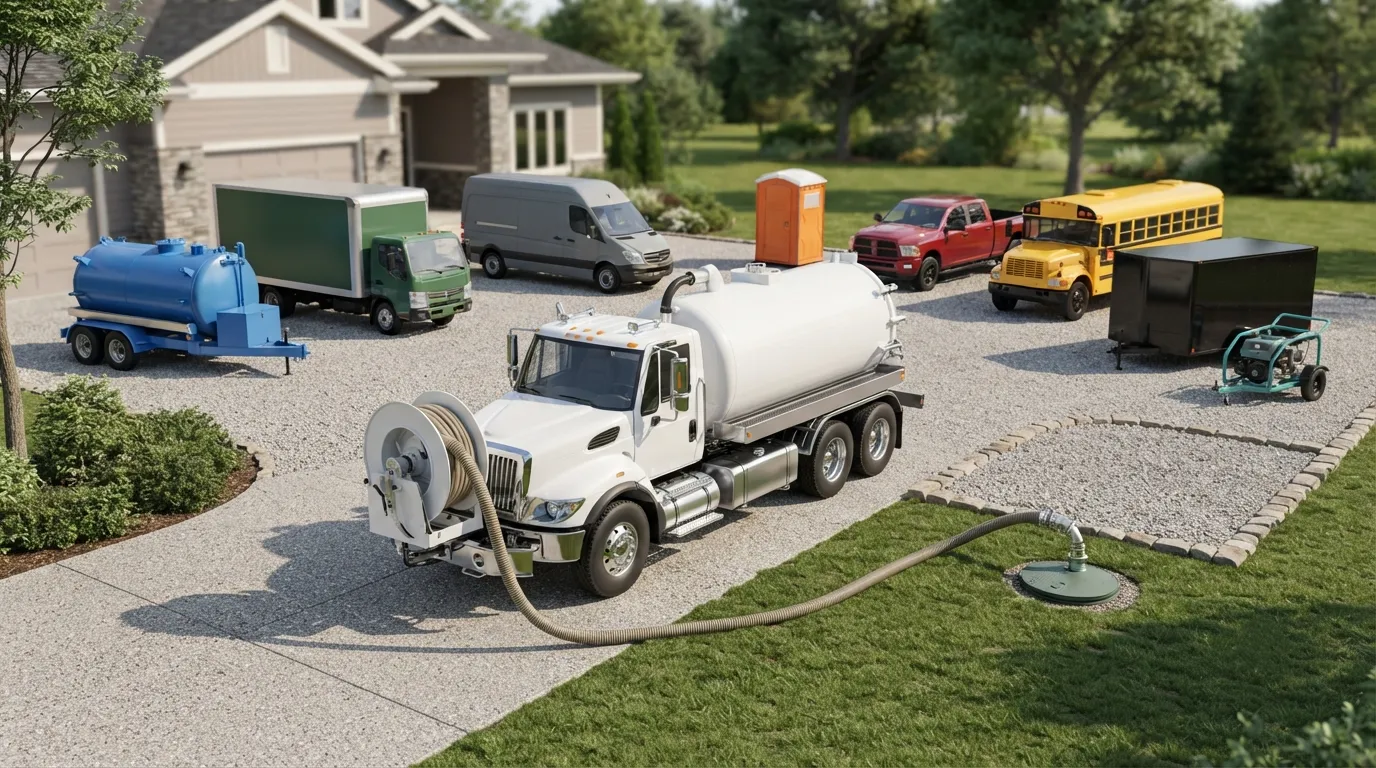
Cleaning is different from a quick pump-out. A technician opens the tank, pumps liquid and sludge, then breaks up and removes crusted solids stuck to the walls and baffles. That's the "cleaning out" part homeowners ask about, and it's why a full service takes longer than a basic pump. A typical residential tank holds around 1,000 gallons, and pump trucks are sized to handle that in one visit. Brownsville soil and heat both push biological activity faster than cooler climates, so solids build up on a fairly predictable clock. If your system is tied to a garbage disposal or a large household, cleaning tends to land closer to the 3-year mark than the 5. Crews from Brownsville Porta Pros also check the filter while they're in there, since a clogged filter is one of the most common causes of a slow drain or backup between scheduled visits. For a property with no service history, an initial inspection helps set the right interval going forward. If you're weighing a temporary fix instead, a holding tank rental can bridge the gap while a system gets diagnosed.
How Often Should Septic Tank Cleaning Happen?
Every 3 to 5 years for most residential tanks, driven mainly by tank size and how many people are using the system daily. A two-person household on a properly sized tank can often stretch toward the 5-year end. A larger family, or a home running a disposal heavily, pushes toward 3 years. For a longer breakdown of the variables, see how often to pump a septic tank. Restaurants and commercial kitchens run a different clock entirely: a grease interceptor gets pumped once fats, oils, grease and solids reach 25 percent of the liquid depth, which can mean monthly or more frequent service depending on volume. That's a separate service from residential tank cleaning, covered in more detail on our grease trap pumping page. Waiting too long on either system risks backup into the house or a surface breakout in the yard, which costs more to fix than the cleaning would have. Watch for slow drains, gurgling pipes or standing water near the tank; we cover the full list on septic tank warning signs.
Septic Tank Cleaning Prices
Pricing depends on tank size, access, and how much solid buildup has accumulated since the last service. Here's what a standard visit runs in Brownsville:
| Service | Duration | Typical Price |
|---|---|---|
| Septic tank cleaning/pumping | Day rate | 150 to 300 dollars |
| Weekend emergency call | Weekend | 50 to 150 dollars |
A same-day or emergency weekend call carries its own rate structure separate from a scheduled weekday visit. If cost is the main driver of your decision, our septic tank pumping cost page breaks down what changes the number, and septic pumping service covers what's included in a standard visit. Homes with hard-to-reach tanks, buried risers, or long hose runs from the truck to the tank access point may see the higher end of that range. Ask about riser installation if your tank lid is buried; it saves excavation cost on every future visit.
Can I Clean My Own Septic Tank Filter?
You can check and rinse the filter yourself if it's accessible without opening the main tank, but full tank cleaning needs a vacuum truck and a licensed operator. The filter sits in the outlet baffle and traps solids before they reach the drain field; a clogged filter is a common, fixable cause of slow drains. Pulling it, hosing it off, and reseating it is reasonable homeowner maintenance between full cleanings. Opening the tank itself is a different matter. Tanks hold wastewater and gases that aren't safe without the right equipment, and disturbing sludge without pumping it out properly just moves the problem into your drain field. If you're not sure where your filter is or whether it's accessible, it's worth having a crew check it during a scheduled visit rather than guessing. Homes running long-term construction or renovation work sometimes add portable sanitation to protect the system from overuse; see home renovation porta potty for that option during a remodel.
Why Does Septic Tank Cleaning Cost Vary So Much?
Cost swings on tank size, solids buildup, and truck access, and those three things vary a lot from property to property in Brownsville. A tank that's been cleaned on schedule every few years has less crusted solid material to break up than one that's gone eight or ten years untouched, and that difference shows up directly in labor time. Access matters too. A tank with an exposed riser near the driveway takes less time than one buried under landscaping three feet down. Homes further out, like properties near Los Fresnos 8.1 miles northwest or San Benito 17.0 miles northwest, may see a delivery or trip charge factored into total cost depending on distance from the service base. Household size and disposal use affect how much solid waste accumulates between visits, which then affects how long the cleaning itself takes. For a broader look at what to expect, septic tank pumping cost lays out the main cost drivers side by side.
Brownsville Porta Pros services septic systems across the city and into nearby communities including Cameron Park, 6.6 miles southwest, and Olmito, 7.6 miles west. Beyond septic work, we run portable toilet rental, roll-off dumpster rental, and temporary fence rental for job sites and events throughout the region. If your project also needs handwashing setups, check handwashing station rental, which pairs well with septic work on active construction sites governed by OSHA 1926.51(c) toilet facility ratios.
How much does septic tank cleaning cost in Brownsville?
A standard day-rate service call runs between 150 and 300 dollars in Brownsville, depending on tank size, solids buildup and access. Emergency weekend service runs 50 to 150 dollars on top of that. See septic tank pumping cost for a full breakdown.
How do I find septic tank cleaning near me?
Start with a company that services your specific area of Brownsville and nearby towns like Chula Vista or Reid Hope King. Brownsville Porta Pros covers the city and surrounding communities; check septic pumping service for full coverage details.
What's the difference between septic pumping and septic cleaning?
Pumping removes liquid and loose sludge only. Cleaning goes further, scraping crusted solids off tank walls and baffles and checking the outlet filter. Most scheduled maintenance visits combine both in a single trip.
How often should I have my septic tank filter cleaned?
Check the filter every time the tank is pumped, roughly every 3 to 5 years, and rinse it sooner if drains start running slow. A clogged filter is one of the easiest problems to fix before it causes a backup.
Does a full septic tank mean I need emergency service?
Not always. A full tank on a normal schedule just needs standard cleaning. But gurgling drains, sewage odor, or standing water over the tank mean you need service fast; see emergency septic service for same-day options.
Next step
Get a delivery date
Tell us the address, the dates and the headcount. We size the order and confirm the route.