How fast can you deploy after a hurricane or flood?
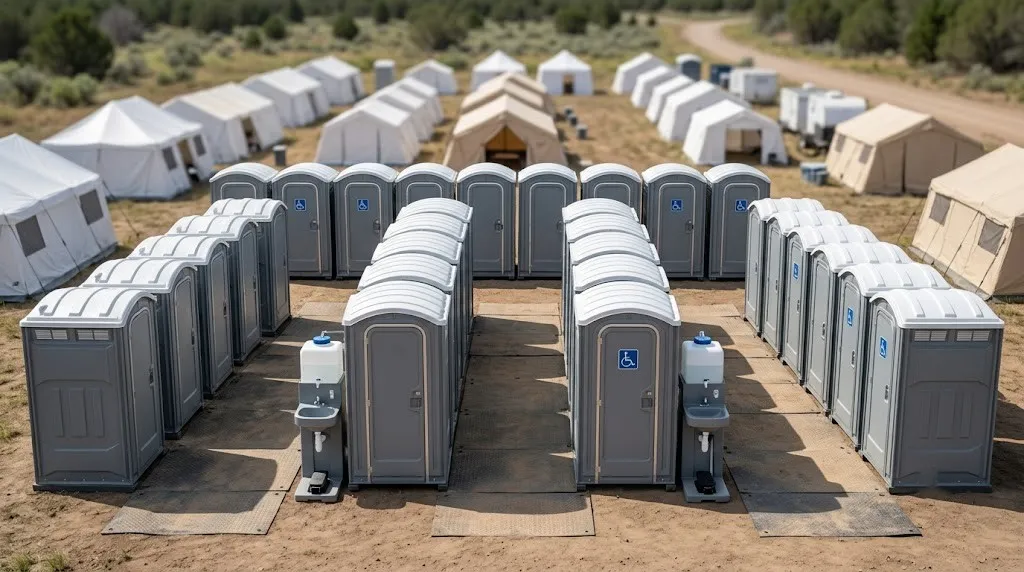
Speed is the whole job during disaster response. Brownsville Porta Pros keeps standard porta potty rental units and handwashing station rental equipment ready to roll, because after a hurricane hits the Rio Grande Valley there is no time to wait on a normal delivery window. A roll-off delivery still needs about 60 feet of straight clearance behind the truck, so we scout staging areas in Brownsville, at shelters in Cameron Park 6.6 miles southwest, or out toward Los Fresnos 8.1 miles northwest, before the trucks move. Emergency response usually means emergency porta potty rental placed at shelters, distribution points and staging yards, often alongside temporary fence rental to control access and light tower rental where power is down. OSHA 1926.51(a)(1) requires an adequate supply of potable water at any place of employment, which matters when relief crews and volunteers are working twelve hour shifts with no municipal water pressure. We pair that with portable sink rental units so hands get washed with soap and running water, not just sanitizer. For agencies coordinating across San Benito 17.0 miles northwest or Chula Vista 9.8 miles north, we can stage porta potty rental drops at multiple points in a single dispatch run rather than scheduling separate deliveries for each site.
What sanitation does a shelter or relief site actually need?
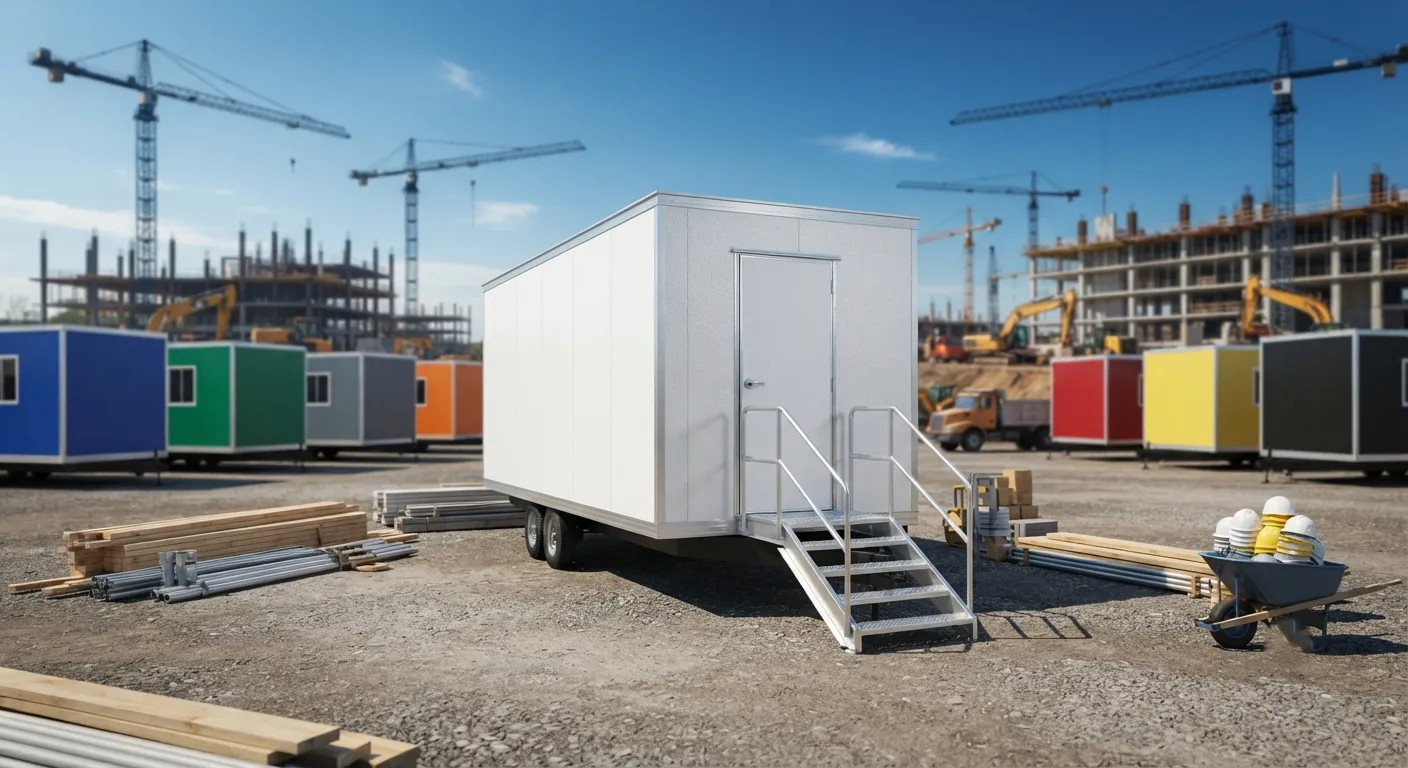
Shelters need toilets, handwashing and a plan for volume, not a single unit dropped and forgotten. OSHA 1926.51(c) sets the baseline ratio construction crews use: 1 toilet for 20 workers or fewer, then 1 seat and 1 urinal per 40 up to 200 workers, and per 50 above that, and it is a fair starting point for estimating shelter population needs too, though a shelter director should confirm actual counts with the city. Hand sanitizer alone does not meet the standard; 29 CFR 1910.141(d)(2) calls for soap and towels or a hand drying device at washing stations, which is why we send hand sanitizer station rental units only as backup, never as the only handwashing option. Shelters with any disabled or elderly evacuees need accessible units too. ADA Standards section 213.2 requires that at least 5 percent of clustered single-user toilets be accessible, never fewer than one, so we always fold ada accessible porta potty units into a shelter deployment from the start rather than adding them later. For longer-term relief housing, a restroom trailer rental or a 4 stall restroom trailer gives families more privacy than a bank of standard units, and a shower trailer rental matters once people are sheltering for more than a few days. If flooding has damaged an on-site septic system, our septic pumping service crews can pump and haul while repairs happen, and a holding tank rental bridges the gap until the tank is back in service.
Should we rent by the day or plan for a longer relief period?
Disaster timelines are unpredictable, so pricing has to flex with them. Short jobs run day rate, standard units land between $100 and $350 a day depending on volume and access, while a relief operation stretching past a week should move to the weekly or monthly rate instead of paying day rate every day.
| unit | day | week | month |
|---|---|---|---|
| standard | $100-$350 | $130-$500 | $125-$325 |
| ada | $200-$400 | - | - |
| dumpster | $51-$112 | $426-$778 | - |
Debris cleanup after a storm usually means a roll-off dumpster rental parked next to the relief site, and a 20 yard dumpster rental handles most residential debris loads without needing a bigger box. Check our dumpster weight limits page before loading wet debris, since flood-soaked material weighs far more than dry construction waste. If the relief effort needs secure storage for donated supplies, a storage container rental or a 20ft storage container keeps everything dry and locked. Longer operations sometimes need a mobile office trailer rental for coordination staff. Full cost detail lives on our porta potty rental cost and porta potty monthly rental pages, and our how many porta potties do i need guide helps estimate unit counts against expected shelter population before you commit to a duration.
How quickly can units reach a Brownsville shelter after a storm warning?
We stage trucks ahead of forecast storms whenever possible, so Brownsville deliveries can often happen same day once roads are passable. Access matters most: crews need that 60 foot clearance behind the truck. Call ahead of landfall if you can.
Do disaster relief sites need accessible toilets?
Yes, if evacuees include anyone using a wheelchair or with mobility limits. ADA Standards section 213.2 requires at least one accessible unit in any cluster, five percent minimum. We include ada accessible porta potty units in shelter packages by default.
Can you deliver to rural areas outside Brownsville during a disaster?
Yes. We reach towns like Olmito 7.6 miles west, Orason 9.5 miles north and Reid Hope King 9.7 miles southeast, along with sites further out. See service areas for full coverage.
What if our septic system floods during a storm?
Flooded septic systems need pumping before they can be used again safely. Our septic pumping service crews handle emergency pump-outs, and emergency septic service covers after-hours calls when a tank backs up mid-disaster.
How do we handle handwashing without running water on site?
A handwashing station rental unit carries its own water supply and meets the soap-and-towel standard under 29 CFR 1910.141(d)(2). Sanitizer stations work as a supplement, never a replacement, at any relief site.
Next step
Get a delivery date
Tell us the address, the dates and the headcount. We size the order and confirm the route.