How Many Porta Potties Do I Need for a Construction Site?
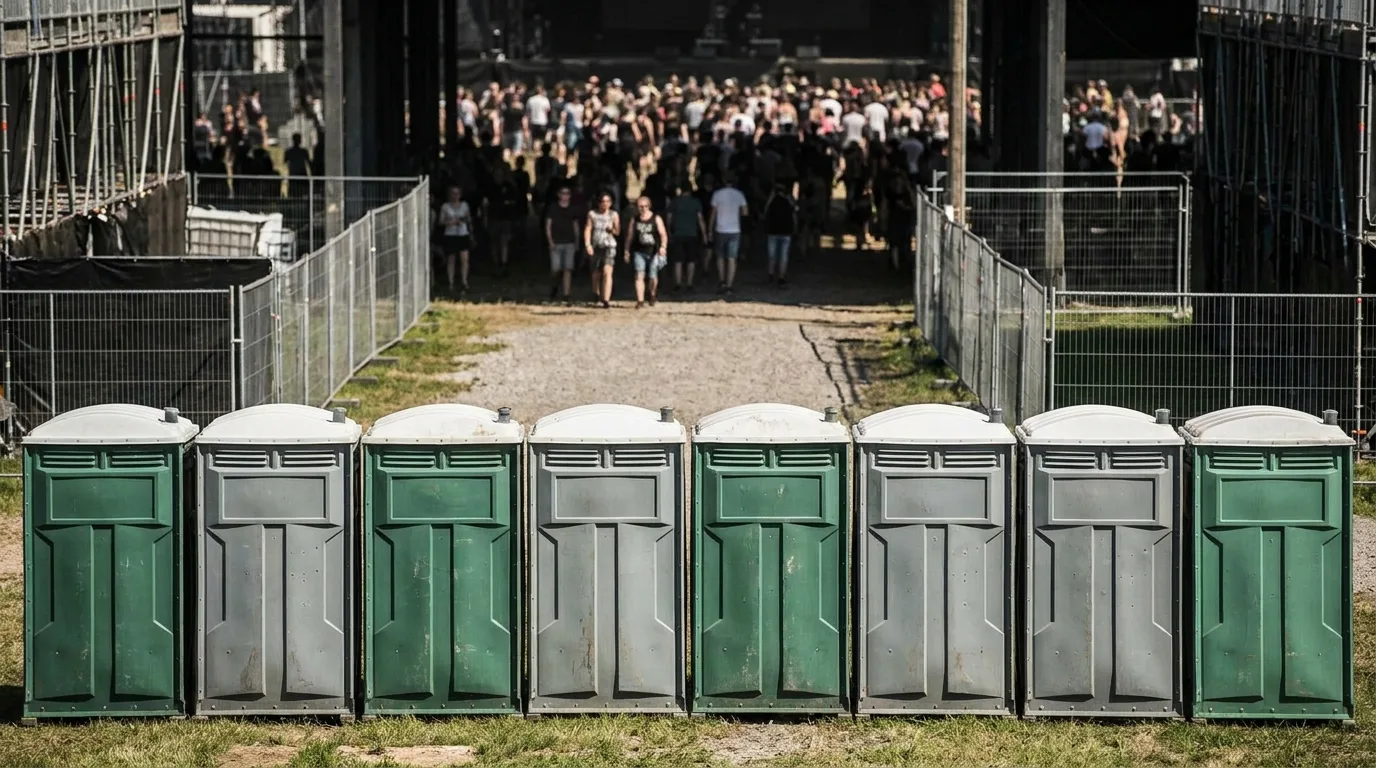
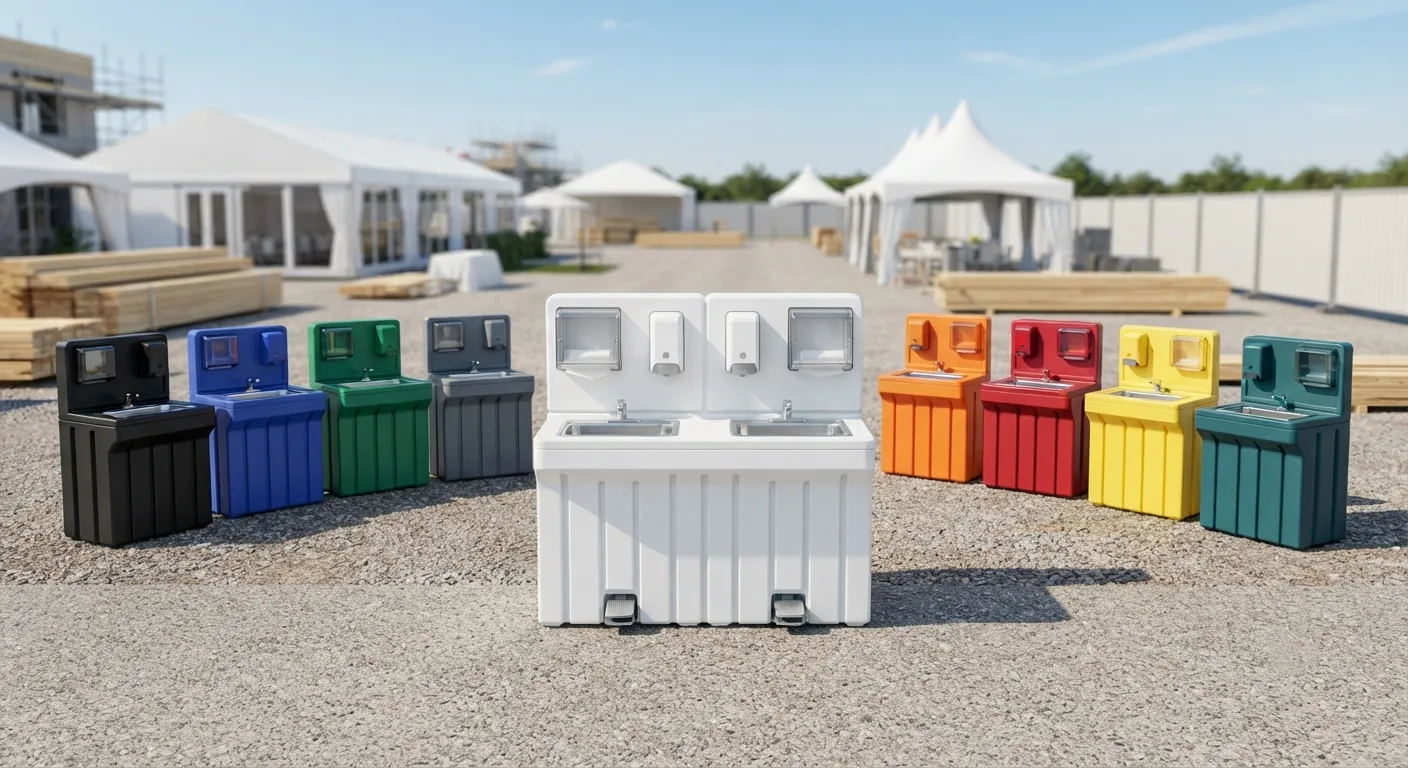
OSHA 1926.51(c) sets the bracket: 1 toilet facility for 20 workers or fewer, then 1 toilet seat and 1 urinal per 40 workers once you pass 20, dropping to 1 seat and 1 urinal per 50 workers at 200 or more. A 12 person crew in Brownsville needs just 1 standard porta potty rental. A 45 person framing crew needs 2 units under that same bracket. Jobsites tend to run these longer than a weekend, so most contractors book by the monthly porta potty rental rate rather than paying day by day. If your crew works with paints, coatings, herbicides or insecticides, OSHA 1926.51(f)(1) requires washing facilities beyond the toilet count, which is where a handwashing station rental earns its keep. Farther out on a job near Los Fresnos, 8.1 miles northwest of Brownsville, or San Benito, 17.0 miles northwest, delivery still runs through the same Brownsville dispatch, so lead time barely changes. Review the full OSHA portable toilet requirements before you finalize a headcount, and check construction site services if you need a dumpster or fencing on the same trip.
How Many Porta Potties Do I Need for an Event?
| guests | duration | standard units needed |
|---|---|---|
| 50 | 4 hours | 1 |
| 100 | 4 hours | 2 |
| 250 | 4 hours | 4 |
| 500 | 4 hours | 7 |
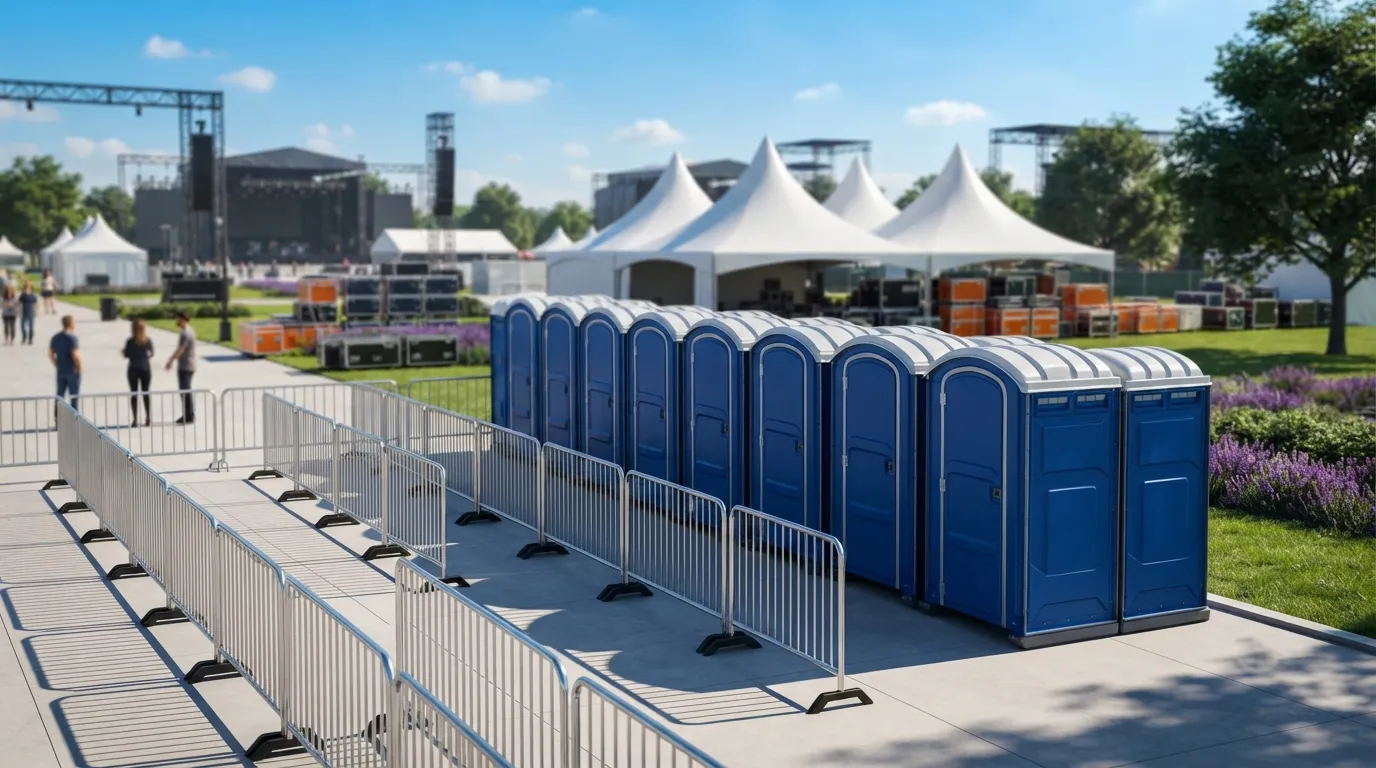
That table assumes no alcohol and a single afternoon. Serving beer or wine pushes the ratio harder because people drink more water and use the restroom more often, so add roughly one extra unit for every 100 guests once alcohol is on site. A wedding of 150 near Chula Vista, 9.8 miles north of Brownsville, generally needs 3 standard units plus 1 ADA accessible porta potty under ADA Standards 213.2, which requires at least 5 percent of a cluster to be accessible, never fewer than one. For a nicer guest experience, swap standard units for a deluxe flushable porta potty. Multi-day festivals need a service visit built into the schedule, not just more units; ANSI/PSAI Z4.3 sets a baseline of one service visit per week for up to 10 users over a 40 hour week, and heavier festival use needs more frequent stops. Check festival restroom rental or wedding restroom rental for setups built around those headcounts.
Should I Add Extra Units for Alcohol or Multi-Day Events?
Yes. Alcohol increases restroom trips, and a multi-day event multiplies waste volume against a fixed tank size. A standard unit carries a 60 to 70 gallon holding tank, and that number does not change whether the event runs 4 hours or 3 days. So a 2-day county fair with 300 guests per day needs either more units up front or a mid-event pump-out, not just the daytime math from a single afternoon. Concerts and marathons see the same spike; a concert restroom rental plan and a marathon and race restrooms plan both build in a service stop rather than betting on tank capacity alone. If your event runs a beer garden, treat it like the alcohol-adjusted ratio above and round up, not down. A county fair restrooms booking for multiple days should also plan a return visit rather than leaving units untouched for 72 hours straight.
What Size Dumpster Do I Need Alongside My Porta Potties?
Most site services get bundled, so if you are answering restroom count you are probably also asking about dumpsters. A 10 yard dumpster runs about 12 feet long, and a 20 yard dumpster runs about 22 feet long, which matters for the 60 feet of straight clearance a roll-off truck needs behind it for delivery. A 10 yard dumpster runs about 10 feet long and holds roughly 270 cubic feet, so people asking how many feet is a 10 yard dumpster or how many cubic feet in a 10 yard dumpster are really asking the same question two ways. A 20 yard holds roughly 540 cubic feet, and a 40 yard unit answers how many cubic feet in a 40 yard dumpster with roughly 1,080 cubic feet. On tonnage, how many tons does a 20 yard dumpster hold comes out to typically 2 to 3 tons, how many tons can a 30 yard dumpster hold lands at typically 3 to 4 tons, and how many tons does a 40 yard dumpster hold runs typically 4 to 5 tons, depending on what you are loading. Check dumpster sizes and dimensions and dumpster weight limits before you commit to a size, and confirm what is allowed with what cannot go in a dumpster.
Do I Need an ADA Unit in My Count?
Yes, whenever you cluster portable toilets for public use. ADA Standards 213.2 requires at least 5 percent of a cluster to be wheelchair accessible, and never fewer than one unit, regardless of how small the group is. That accessible unit needs a clear route at least 36 inches wide under ADA Standards 403.5.1, a door opening at least 32 inches wide under ADA Standards 404.2.3, and a 60 inch turning circle inside under ADA Standards 304.3.1. A Brownsville festival with 400 guests needs 6 standard units by headcount and at least 1 of those swapped for an accessible model, not added on top. Review ADA restroom requirements and browse the ADA accessible porta potty page for specs before your event date locks in.
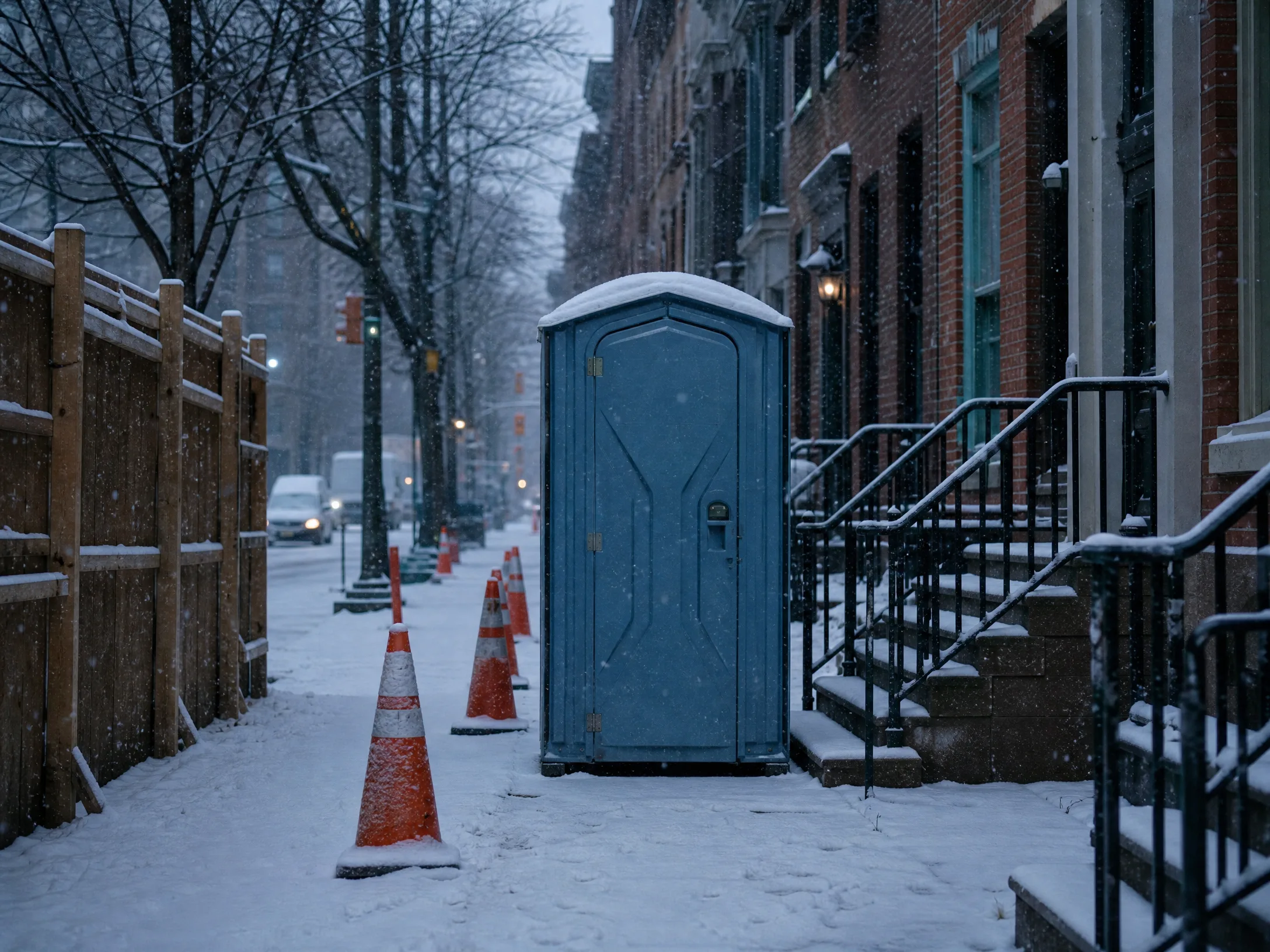
How Much Does the Right Number of Units Cost?
| unit | day | week | month |
|---|---|---|---|
| standard | 100-350 | 130-500 | 125-325 |
| ada | 200-400 | 120-240 | not sold monthly |
| deluxe | 85-1200 | 150-290 | not sold monthly |
A single standard unit for a weekend job runs in the 125 to 400 dollar range, priced as a weekend rate rather than pulled from the daily or weekly columns above. Multiply your unit count from the OSHA or event tables above against these bands to build a real budget, and check porta potty rental cost or porta potty rental per day for a fuller breakdown. Delivery fees run separately from the unit price, typically 100 to 500 dollars depending on distance and job length. A farm job near Orason, 9.5 miles north of Brownsville, or out toward Reid Hope King, 9.7 miles southeast, still falls inside a normal Brownsville Porta Pros delivery run.
Where Should I Place My Units on Site?
Placement affects your count almost as much as headcount does, because units clustered too tightly slow service and units spread too thin frustrate guests or crews. ADA Standards 302.1 requires a stable, firm, slip-resistant surface under any accessible unit, which usually rules out loose gravel or soft turf. OSHA 1926.56(a) sets minimum lighting for construction areas, so units placed in a dim corner of a jobsite need supplemental light, which a light tower rental can cover. On a fenced site, keep restrooms inside the perimeter set by your temporary fence rental so they are not accessible to the public. Read the full porta potty placement guide before delivery day, and if your event needs stanchions or line management too, crowd control barrier rental covers that separately from fencing.
How many porta potties do I need for 100 people?
Plan on 2 standard units for 100 guests over about 4 hours with no alcohol served. Add a third if the event runs longer than 4 hours or serves alcohol. For a mixed public crowd, swap one standard unit for an ADA accessible porta potty to meet ADA Standards 213.2.
How many tons does a 30 yard dumpster hold?
A 30 yard dumpster typically holds 3 to 4 tons, depending on the material. Dense debris like concrete or shingles fills the weight limit long before it fills the box. Check dumpster weight limits before loading heavy material to avoid overage charges.
How many cubic feet in a 20 yard dumpster?
A 20 yard dumpster holds roughly 540 cubic feet, running about 22 feet long. That is double the volume of a 10 yard unit at roughly 270 cubic feet. See 20 yard dumpster rental for full dimensions.
Do I need more porta potties if alcohol is served?
Yes. Alcohol raises restroom use per guest, so add roughly one extra standard unit for every 100 guests beyond the no-alcohol ratio. A 200 guest event with a beer garden should plan for 6 units rather than the 4 a dry event would need.
How often are porta potties serviced during a multi-day event?
ANSI/PSAI Z4.3 sets a baseline of one service visit per week for up to 10 users across a 40 hour week. A busy multi-day festival needs more frequent visits than that baseline. Ask Brownsville Porta Pros to build a service schedule around your actual headcount.
What is the difference between a standard unit and an ADA unit?
A standard unit measures about 44 by 48 inches on the ground and 92 inches tall, sized for one person at a time. An ADA unit is larger inside, with a 60 inch turning circle under ADA Standards 304.3.1 and a wider door meeting ADA Standards 404.2.3. Compare both on the portable toilet rental page.
Next step
Get a delivery date
Tell us the address, the dates and the headcount. We size the order and confirm the route.