
How Do Porta Potties Work?
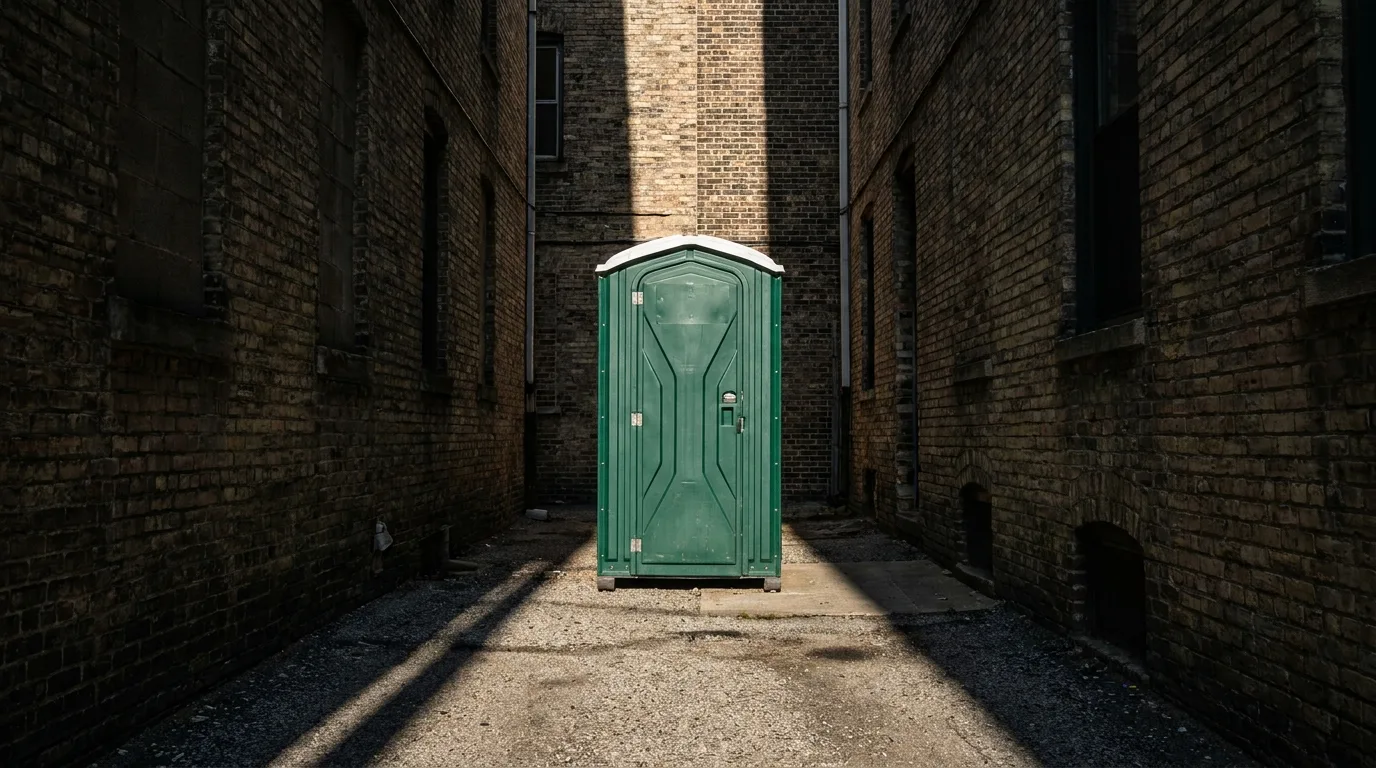
Under the seat sits a holding tank, usually 60 to 70 gallons, built into a unit that measures about 44 by 48 inches on the ground and stands roughly 92 inches tall. Waste drops straight into the tank, where a blue deodorizing chemical goes to work breaking down solids and locking down odor. There is no water supply and no drain line. That is the whole system for a standard porta potty rental: simple, sealed, self-contained. A service truck comes on schedule, vacuums the tank through a valve at the back, rinses it, and adds fresh chemical before moving to the next stop. ANSI/PSAI Z4.3, the portable sanitation service standard, sets a baseline of one service visit per week for up to 10 users over a 40 hour week, which is why job sites and events plan cleaning around headcount, not guesswork. If you are trying to figure out how many units your Brownsville site actually needs, the porta potty placement guide and the how many porta potties do I need page walk through the math.
How Does a Flushable Porta Potty Work?
A flushable unit adds a small onboard freshwater tank and a foot pump or hand pump that pushes a measured rinse into the bowl after use, same as a low-flow toilet at a campsite. It still drains into the same style of sealed holding tank underneath, it just clears the bowl between users instead of leaving waste sitting in view. That is the difference between a standard porta potty rental and a deluxe flushable porta potty: fresh water in, waste flushed down, tank pumped out later same as always. Weddings and corporate events around Brownsville lean toward the deluxe flush units because guests notice the difference immediately. An ADA accessible porta potty can come in either standard or flush configuration, and ADA Standards section 304.3.1 requires a 60 inch turning circle inside those units so a wheelchair can maneuver. Pair that with the 32 inch minimum clear door opening in ADA Standards section 404.2.3 and you get a unit built for real access, not just a wider door bolted onto a standard shell.
How Does a Portable Sink Work?
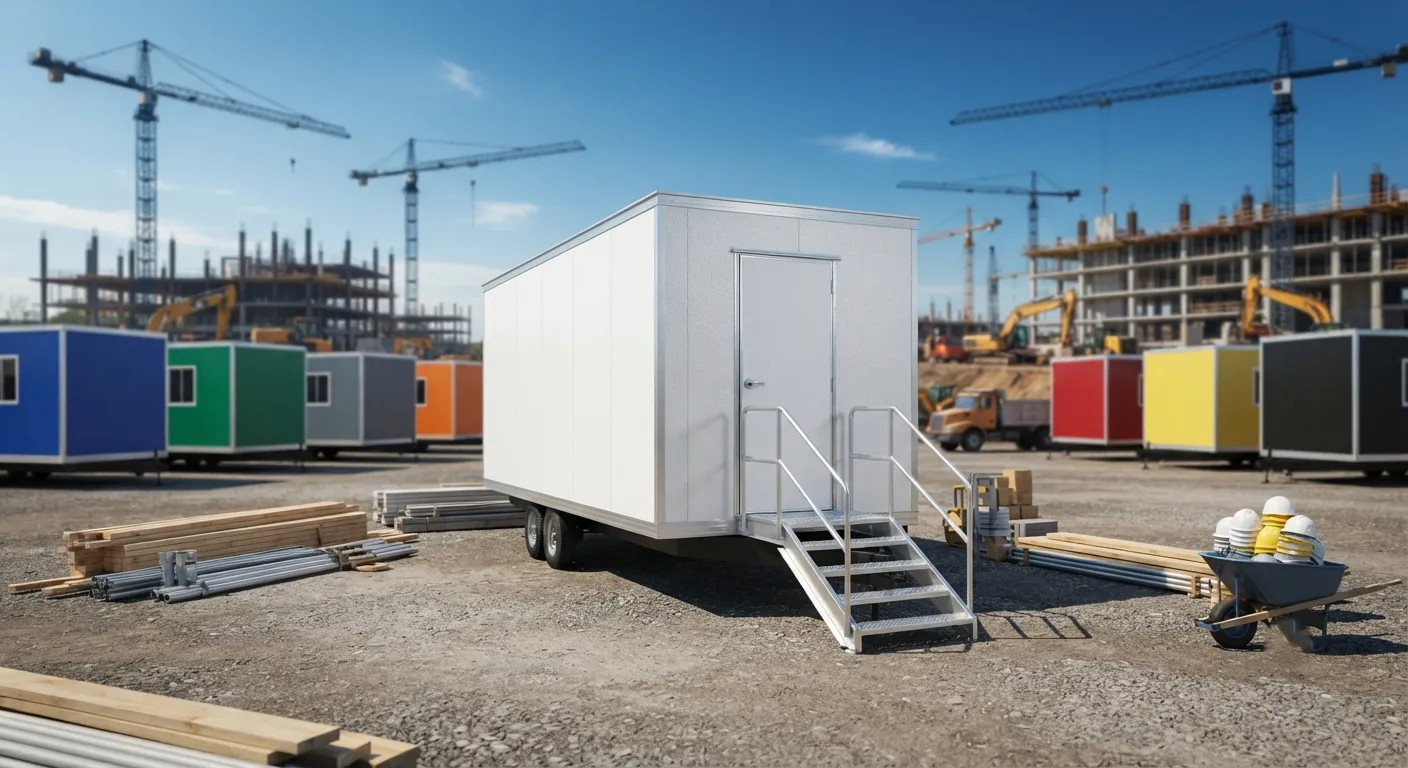
A portable handwashing station holds fresh water in a top tank, gravity or a foot pump pushes it through a spigot, and gray water collects in a tank underneath the basin. Soap sits in a built-in dispenser. No hose hookup, no power cord needed on most models. 29 CFR 1910.141(d)(2) requires washing facilities to have soap and towels or a hand-drying device, and hand sanitizer alone does not meet that standard, which is why a proper handwashing station rental matters more than a bottle of gel clipped to a fence post. Job sites doing painting, coating, herbicide or insecticide work fall under OSHA 1926.51(f)(1), which specifically requires washing facilities for those contaminant exposures. A portable sink rental satisfies that need without running a water line to a construction trailer. For sites that only need sanitizer between full washes, a hand sanitizer station rental supplements but does not replace the sink. Check the full breakdown on the handwashing station requirements page before your next inspection.
Why Do Construction Sites Need Porta Potties?
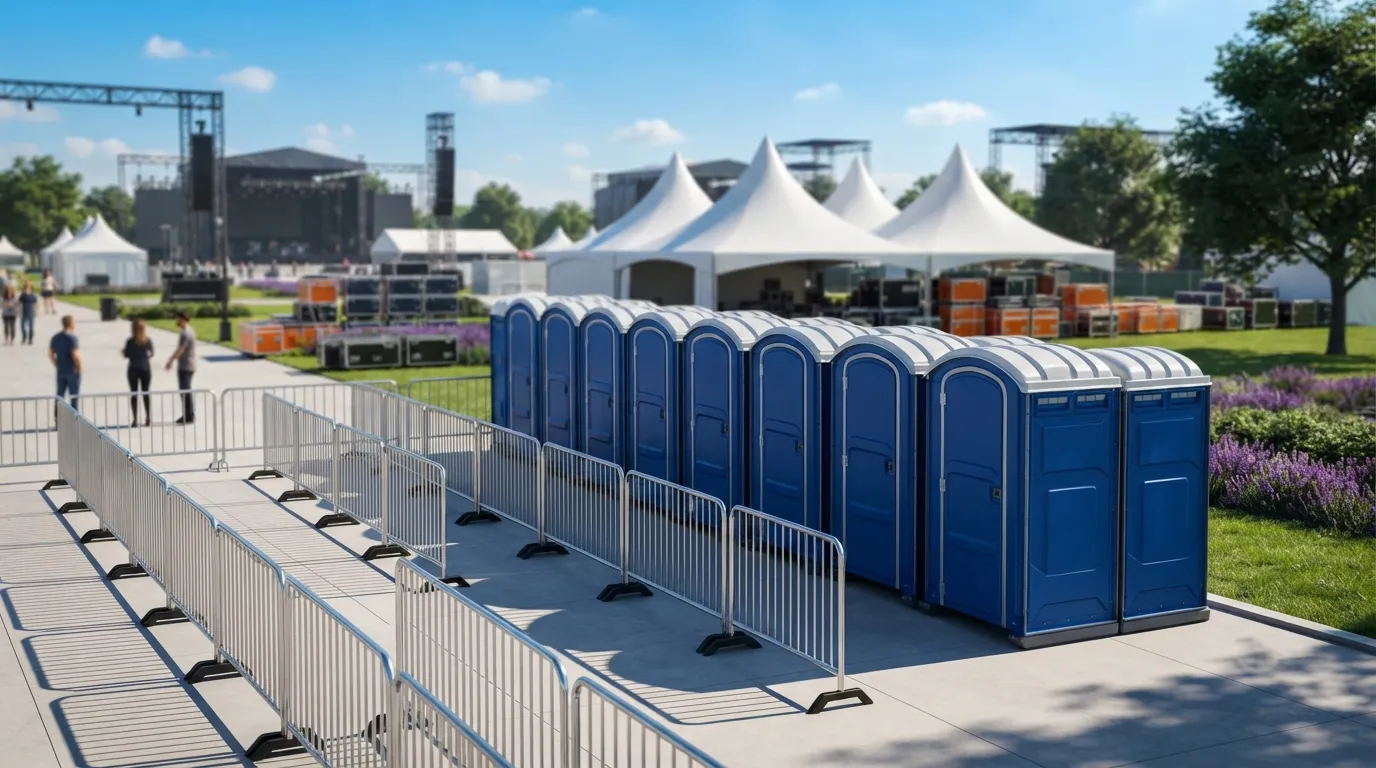
OSHA 1926.51(c) sets the ratio: one toilet for 20 or fewer workers, then one toilet seat and one urinal per 40 workers once you pass 20, dropping to one per 50 once a crew hits 200 or more. A construction worker running to a porta potty across an active Brownsville site loses real time if the unit sits too far from the work zone, which is why placement matters as much as count. Farms and agricultural operations fall under a different rule, OSHA 1928.110, which requires potable water, toilets and handwashing within a quarter mile walk of hand-labor employees, one facility per 20 workers. Review construction site services or farm and agricultural restrooms depending on which rule applies to your crew. Renting daily, weekly or monthly changes the math too. A standard unit runs in the range shown below, and the porta potty rental cost page breaks down what drives the difference.
| duration | typical range |
|---|---|
| day | $100 to $350 |
| week | $130 to $500 |
| month | $125 to $325 |
For daily-rate detail specific to short jobs, see porta potty rental per day, and for longer builds, monthly porta potty rental covers the numbers.
What chemical goes in a porta potty?
A blue deodorizing chemical, added by the service tech during each pump-out, breaks down solid waste and controls odor between visits. It is not something you refill yourself on a standard rental. Brownsville Porta Pros loads the tank fresh at every service stop, so you never handle the chemical directly.
How do camping porta potties work?
Same sealed-tank system as a job site unit, just sized and placed for a campground or outdoor event instead of a work crew. Waste drops into the holding tank, chemical treats it, and a service truck empties it on schedule. Check camping porta potty options for weekend and multi-day rentals.
Does a porta potty need a water hookup?
No. A standard unit needs zero water or sewer connection, which is the entire point of portable sanitation. Flushable and deluxe models carry their own onboard freshwater tank instead of tapping into a line, so placement only depends on truck access for service, not utility hookups.
How far does a septic truck need to access a unit?
Roll-off and septic service trucks generally need about 60 feet of straight clearance behind the vehicle to maneuver safely during pickup or pump-out. That clearance matters as much for a septic pumping service call as it does for porta potty servicing, so flag tight driveways in Brownsville when you book.
How often does a septic tank need pumping versus a porta potty?
A residential septic tank typically needs pumping every 3 to 5 years, driven by tank size and household size, while a porta potty gets serviced weekly or more depending on usage. Grease interceptors are different again, pumped once fats, oils, grease and solids hit 25 percent of liquid depth. See how often to pump a septic tank for the full picture.
Next step
Get a delivery date
Tell us the address, the dates and the headcount. We size the order and confirm the route.